

What Is ISO 42001? A Complete Guide to AI Governance for Modern Businesses
What Is ISO 42001? A Complete Guide to AI Governance for Modern Businesses
What Is ISO 42001? A Complete Guide to AI Governance for Modern Businesses
>What Is ISO 42001? A Complete Guide to AI Governance for Modern Businesses
What Is ISO 42001? A Complete Guide to AI Governance for Modern Businesses
What Is ISO 42001? A Complete Guide to AI Governance for Modern Businesses
These days, skipping artificial intelligence isn’t really a choice, it quietly shapes how companies run, stand out, then expand. Yet the more it spreads, something else grows alongside: unease about fairness, who takes blame, what gets hidden, whether rules are followed. That gap? ISO 42001 steps right there.
If you want a clear picture of ISO 42001 what it means, why it counts. This path shows your group a way forward, using structure to shape AI that earns trust. Think steady steps, not leaps. Each move builds on honesty, care in design. One step links to the next, forming habits that stick. Not perfection, just progress, guided by purpose.
What Is ISO 42001?
A global benchmark arrives ISO 42001 shapes how businesses handle artificial intelligence. Instead of guesswork, companies now follow clear steps to build, launch, and oversee AI wisely.
Unlike traditional IT or security standards, ISO 42001 focuses on:
- Ethical AI use
- Risk management
- Transparency and accountability
- Continuous monitoring of AI systems
Put plainly, this keeps companies on track so their artificial intelligence works without bias, stays secure, and happens to follow rules. Not just ticking boxes actually doing what laws expect.
Why ISO 42001 Is Important for Modern Businesses
As AI becomes more powerful, the risks also increase. If rules aren’t in place, companies could deal with problems like these:
- Biased decision making
- Data privacy violations
- Lack of explainability
- Regulatory penalties
Rising Need for AI Governance
Facing tighter controls on artificial intelligence, officials across nations push new limits. A clear path for companies? Following organized methods to stay within bounds here, ISO 42001 steps in. Instead of guessing, firms gain direction through defined practices shaped by global insight.
Building Trust with Customers
Customers today pay closer attention to where their personal details go. When a company follows ISO 42001, it signals respect quietly but clearly for user privacy. Not because rules demand it, rather because trust matters more now than before
- Transparency
- Ethical practices
- Data protection
Reducing Business Risks
When guided by clear rules, businesses spot problems early, stopping them from growing worse. A strong approach to managing artificial intelligence makes that possible.
Key Components of ISO 42001
A framework like ISO 42001 takes cues from familiar standards yet shapes itself around artificial intelligence. Though rooted in established methods, its structure bends deliberately toward AI’s unique demands. Instead of copying past models exactly, it adapts their core logic into something more specific. Much like earlier systems, it follows clear processes; however, the focus shifts distinctly to how AI behaves and evolves. While consistency matters, customization plays a bigger role here.
1. AI Risk Management
Whatever happens, companies need to spot problems tied to artificial intelligence. One thing comes next weighing how serious those issues might get. After that, steps should follow to reduce harm before it spreads too far
- Bias and discrimination
- Security vulnerabilities
- Incorrect outputs
2. Governance and Accountability
Clear roles and responsibilities must be defined for:
- AI development
- Deployment
- Monitoring
Every step of how AI works stays clear because someone must answer for it.
3. Data Management and Quality
Out of all the pieces that matter, data sits right at the center for AI systems. What ISO 42001 points to is clear structure shapes how it’s used
- Data accuracy
- Data integrity
- Ethical data sourcing
4. Transparency and Explainability
Businesses must ensure that AI decisions can be:
- Explained
- Audited
- Understood by stakeholders
5. Keep Checking and Making Better
Machines that think need constant care. Because rules say so under ISO 42001
- Ongoing performance tracking
- Regular audits
- Continuous improvements
Benefits of Implementing ISO 42001
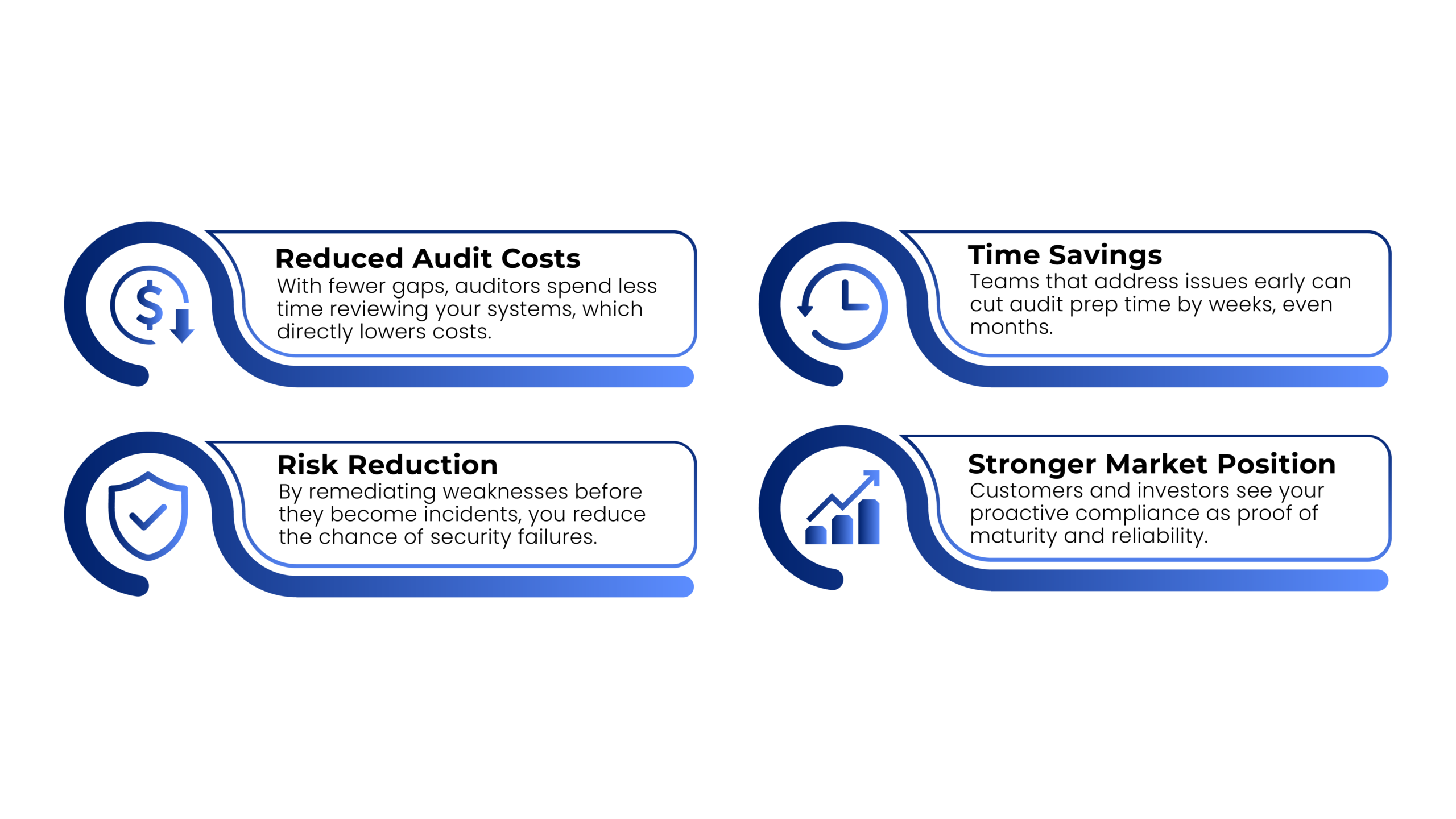
Adopting ISO 42001 can bring several strategic advantages:
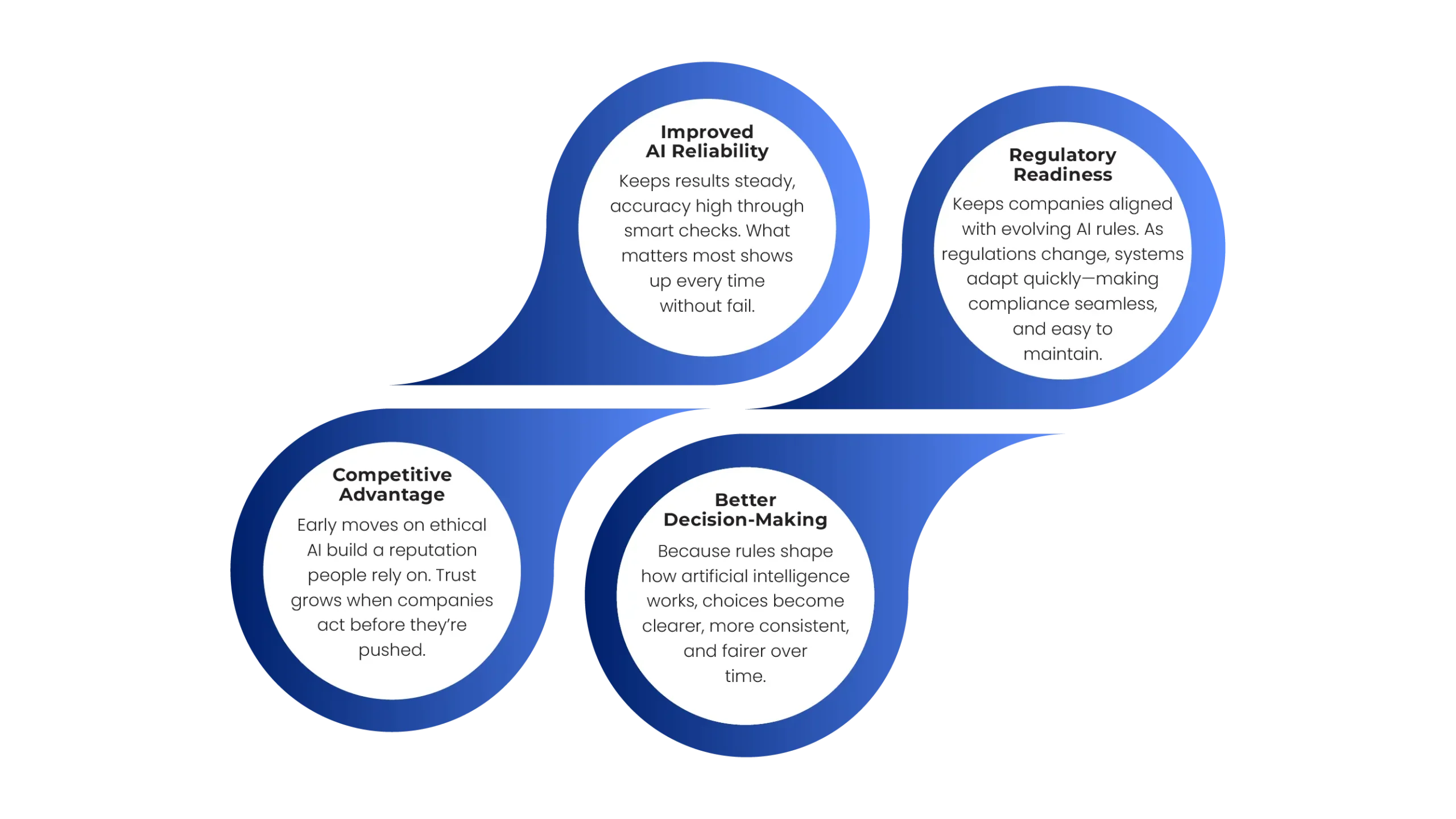
Who Should Implement ISO 42001?
Whatever your size or sector, if you’re working with artificial intelligence now or thinking about it later this standard applies. Whether building tools internally or adopting systems from elsewhere, guidance here fits. From startups to large teams, anyone shaping AI decisions can find direction. Even those just starting out, testing ideas quietly, fall within its scope. If machines learn under your watch, these rules matter
1. SaaS Companies
Running without rules, artificial intelligence systems must follow clear guidance to stay within legal bounds. How they behave depends on oversight that keeps choices accountable. Without checks in place, mistakes could slip through unnoticed. Staying on track means someone watches every move they make.
2. Enterprises Using Automation
Fair choices matter when companies rely on artificial intelligence. Yet responsibility cannot be skipped just because machines help decide. Whoever puts AI to work should stand by its outcomes, no exceptions.
3. AI Startups
Right away, startups that bake in oversight tend to earn credibility faster. Governance isn’t an afterthought; it shows up first when teams act with clarity from jump street.
4. Regulated Industries
Beyond just numbers, sectors such as medicine and coverage rely on organized artificial intelligence guidance.
Conclusion
A fresh look at ISO 42001 shows it isn’t only about ticking boxes. Built right, it becomes a backbone for honest AI that people can count on. With clear rules in place, teams shape smarter systems without cutting corners. Trust grows when actions follow strong guidance. This standard sets the pace, not just the path.
When machines start running more tasks, companies can’t just chase new ideas, they need to act wisely. That is where ISO 42001 steps in, offering a clear path forward. A solid base forms when trust matters as much as technology.
Right now matters most when AI enters your workplace. Grasp ISO 42001 early, because clarity shapes trustworthy systems. Begin their safety, rules, and fairness follow. One move at a time makes a difference.
Get Your Free Demo Today. Take the first step toward smarter AI governance and faster compliance.
Our Recent Posts
-
How to Define Your SOC 2 Scope: A Practical Guide for Startups
-
ISO 42001 Certification: 2026 Guide to Requirements, Cost, Timeline & Process
-
Who Needs to Comply With CCPA? A Guide for SaaS Businesses
-
SOC 2 vs ISO 27001: What’s The Difference and Which Does Your SaaS Company Need?
-
Why the DPDPA Act Matters for Indian Startups and SaaS Companies?