
System and Organization Controls
Information Security Management System
Artificial Intelligence Management System
General Data Protection Regulation
Health Insurance Portability and Accountability Act
California Consumer Privacy Act
Digital Personal Data Protection Act
Trust is among the major competitive advantages that SaaS startups have. Besides the impressive features offered, enterprise clients require assurance that your company will be able to handle and keep their confidential information. This is the reason many startups start their road to compliance from SOC 2.
Nevertheless, one of the common questions raised at the very beginning of the process is which SOC 2 report should your startup choose, SOC 2 Type I or SOC 2 Type II?
The choice of the report may influence your sales process, reputation, compliance process, budget and others. Despite the fact that both SOC 2 reports are based on the Trust Services Criteria, they serve different purposes and stages of development.
This article will explain the difference between SOC 2 Type I and Type II, analyze their advantages, timelines, costs and will help you make your choice.
SOC 2 (System and Organization Controls 2) is a security certification framework created by the American Institute of Certified Public Accountants (AICPA). This framework assesses how companies secure the data of customers through the Trust Services Criteria.
The five Trust Services Criteria include:
Most software-as-a-service (SaaS) companies start off with security and then broaden their horizons based on customer needs and regulations.
The SOC 2 Type 1 Report looks at whether your company’s security controls are designed correctly at a particular point in time.
It can be seen as an image of your organization’s compliance program.
Your auditor will assess whether the correct policies, procedures, and security controls have been put in place.
Best suited for:
A SOC 2 Type II report goes a step further.
Instead of reviewing controls at one point in time, auditors evaluate how effectively those controls operate over a defined period typically between three and twelve months.
This demonstrates that your organization not only designed effective controls but consistently follows them.
Best suited for:
Feature | SOC 2 Type I | SOC 2 Type II |
Evaluation | Point-in-time assessment | Assessment over a defined period |
Focus | Design of controls | Design and operating effectiveness |
Audit Duration | Shorter | Longer |
Customer Confidence | Good | Stronger |
Enterprise Acceptance | Moderate | High |
Best For | Startups beginning compliance | Growing SaaS companies |
The distinction between SOC 2 Type I and SOC 2 Type II will assist startup companies in deciding which report is appropriate for their objectives at that particular stage of their business.
There are many startup founders who would like to know: Which SOC 2 report do you require
Choose SOC 2 Type I if you:
Choose SOC 2 Type II if you:
One of the biggest considerations for startups is implementation time.
SOC 2 Type I
SOC 2 Type II
The exact SOC 2 Type I vs Type II timeline depends on your organization’s readiness and the maturity of your security controls.
Budget is another common consideration.
The SOC 2 Type I vs Type II cost varies depending on:
Although Type II generally costs more because of its extended evaluation period, many organizations see greater long-term value through improved customer trust and faster enterprise sales.
Benefits of SOC 2 Type I
Benefits of SOC 2 Type II
Understanding the SOC 2 Type I vs Type II benefits helps organizations choose the right investment based on business objectives.
Strong SOC 2 compliance for startups provides benefits beyond passing an audit.
It helps organizations:
For SaaS businesses, SOC 2 often becomes a key differentiator when competing for enterprise customers.
Many startups delay compliance until customers request it.
Common mistakes include:
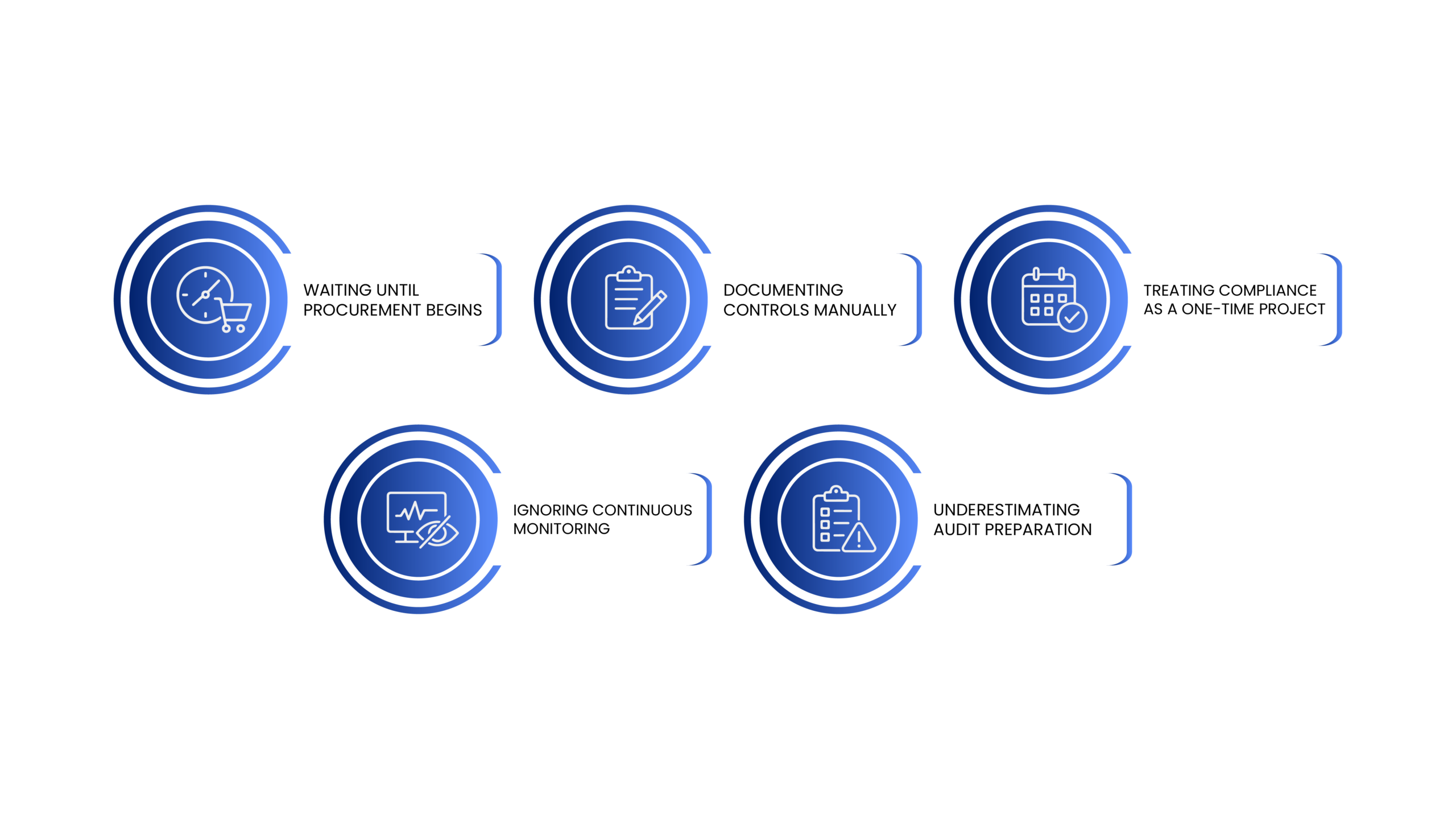
Planning early helps reduce stress and speeds up certification.
SOC 2 audit for SaaS startups is usually tedious if done manually. Gathering proof, creating documentation, checking controls, and getting ready for audits often take lots of effort.
SOCLY.io makes the process of compliance easy with the help of an automated solution.
With SOCLY.io, organizations can:
Whatever your situation, be it your first SOC 2 Type I attestation report or SOC 2 Type II audit prep, SOCLY.io will help make it easier.
What is the difference between SOC 2 Type I and Type II?
SOC 2 Type I is concerned with evaluating the design of the control over a particular period of time, whereas SOC 2 Type II examines the design as well as effectiveness of the control over a period of time.
What SOC 2 report do I need for my startup?
While startups tend to begin with Type I, Type II SOC 2 is beneficial for companies dealing with enterprise customers.
How long does it take to perform a SOC 2 audit?
Type I audit can be performed quite quickly after preparation, as it usually takes no more than a few weeks. However, Type II includes an observation period of three to twelve months.
Is SOC 2 Type II better than Type I?
While Type II offers better proof of consistent compliance and is generally favored by enterprise customers, the decision should be made based on your current stage and the needs of your customers.
Can startups meet the SOC 2 standards?
Absolutely. Startups can easily get SOC 2 certification by setting up security controls and automation tools to facilitate compliance.
The choice between SOC 2 Type I and Type II depends on the current and future positioning of your startup. Type I will help you to prove that your security controls are properly designed, whereas Type II will be useful when you need to show that your controls function as intended.
Instead of perceiving the process of becoming compliant as a formality, successful SaaS companies leverage SOC 2 to establish trust, accelerate sales processes, and set themselves up for success.
Looking to get started with your SOC 2 certification?
Contact Us or Visit our website to see how SOCLY.io can assist your startup with becoming audit ready in less time.
Your trusted partner in compliance automation. Turn complex regulations into clear, automated workflows.
By submitting, you agree to our Privacy Policy and Terms of Service

